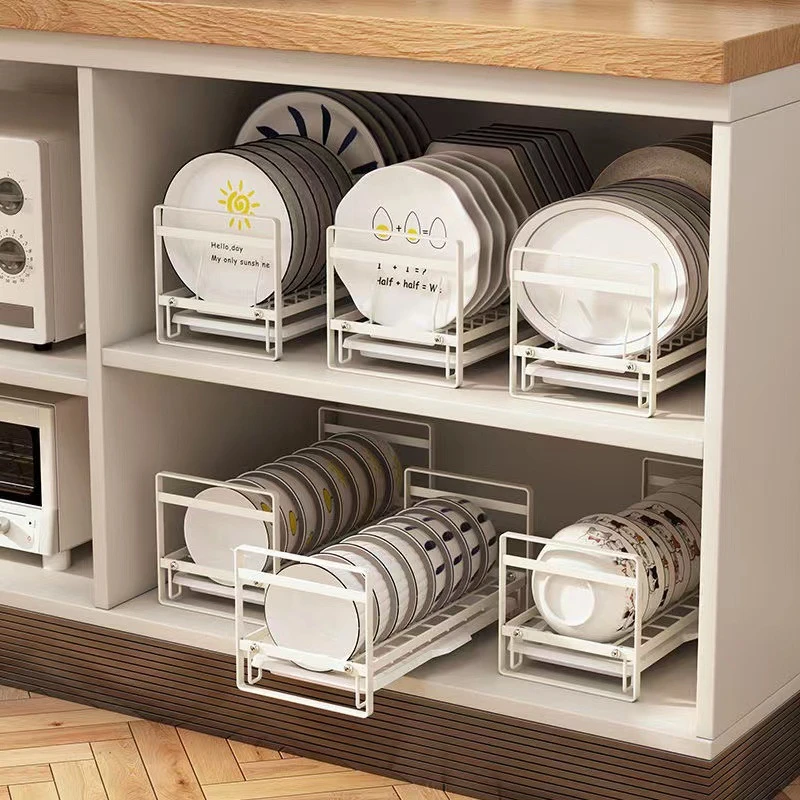
Kitchen tables are essential elements in any home, as they are the central point where meals are shared, conversations are held and special moments happen. They play a key role in the kitchen’s functionality and design, as well as serving as a gathering place for family and friends.
Trends in Kitchen Table Design
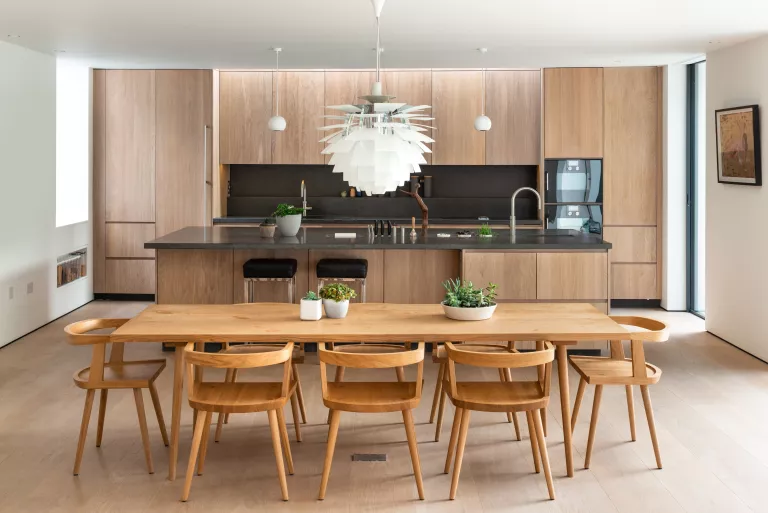
Scandinavian style kitchen tables: Scandinavian design is known for its simplicity, functionality and minimalist beauty. Kitchen tables in this style often feature clean lines, simple geometric shapes and natural materials such as light wood. They create a warm and elegant atmosphere in the kitchen.
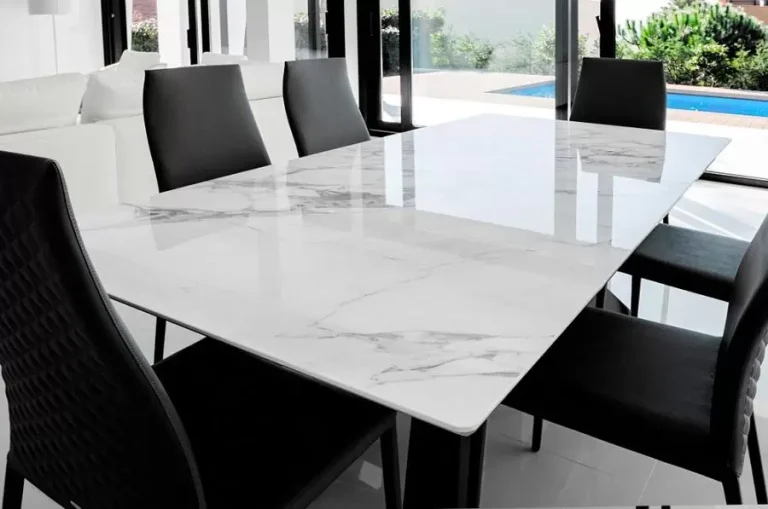
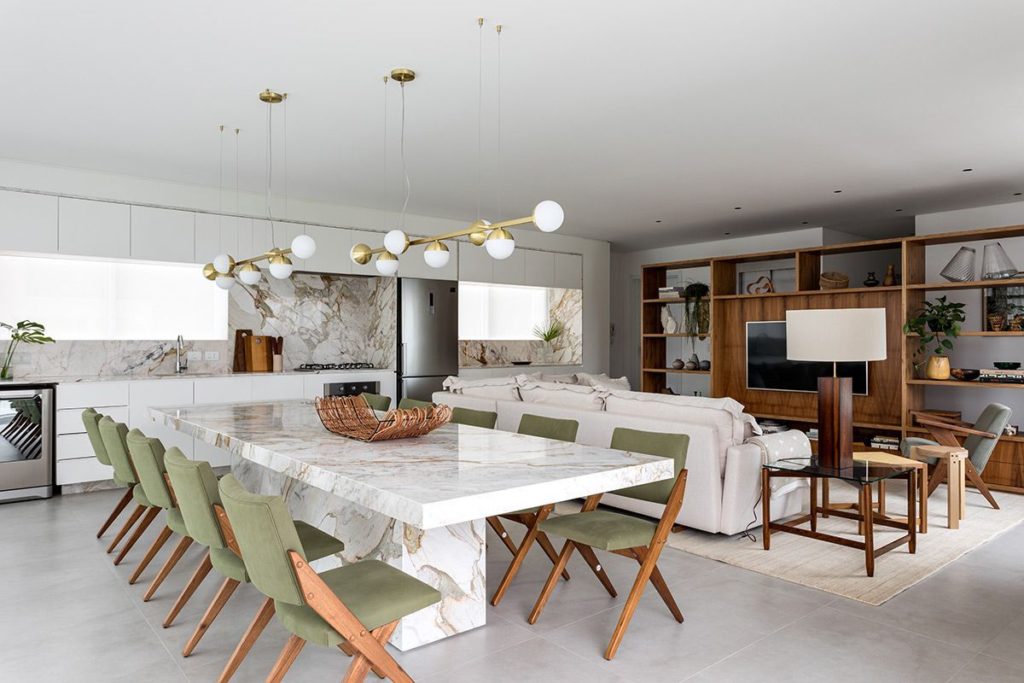
Marble Top Kitchen Tables: Marble is a classic and sophisticated material that has become popular for kitchen table tops. White or light colored marble offers an elegant and timeless look, while marble with more pronounced veins brings a touch of drama and personality to the kitchen.
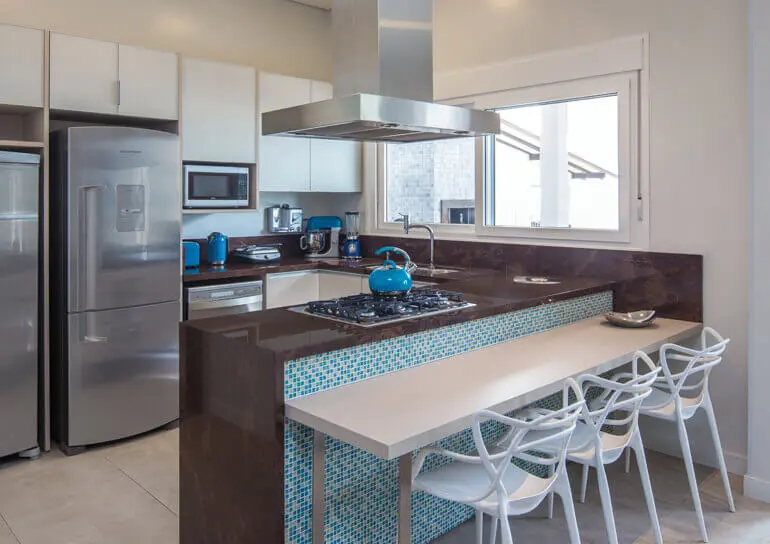
Kitchen tables with attached countertops: A current trend is to incorporate a countertop or island directly into the kitchen table. This solution offers additional space for food preparation, casual dining or even as a work area. It is a practical and functional option that saves space and allows for closer interaction between residents and guests.
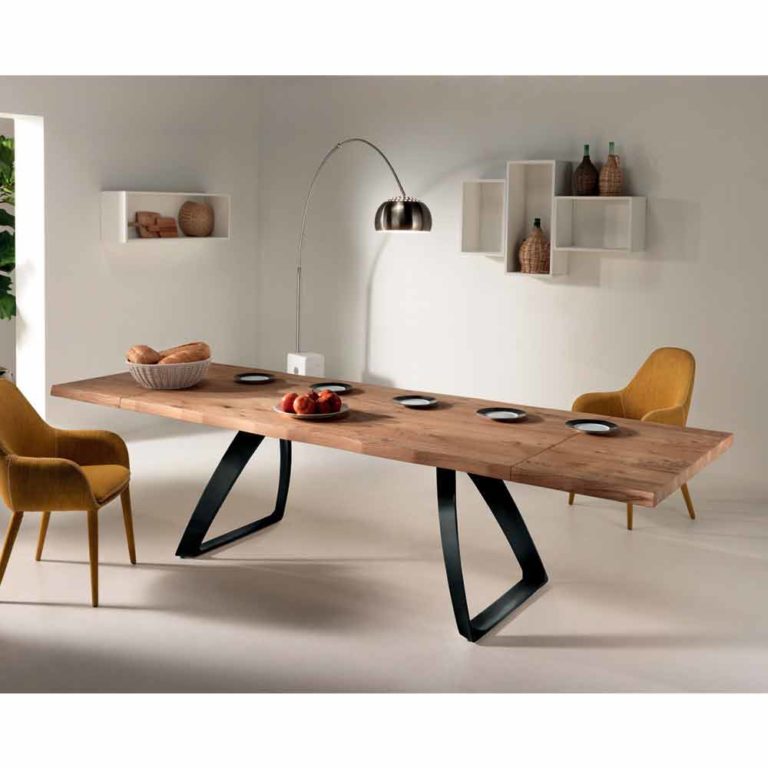
Kitchen tables with modern design and metal: Kitchen tables with metal structures have gained popularity in recent years. Metal, such as stainless steel or black iron, adds an industrial and contemporary feel to the room. These tables are durable, easy to clean and have a modern aesthetic appeal.
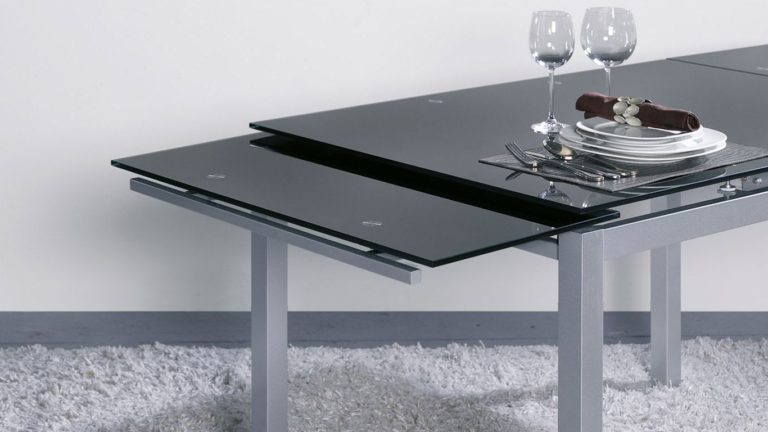
Extending kitchen tables: Extending kitchen tables are ideal for small spaces or for people who like to have guests over frequently. They allow you to adjust the size of the table as needed, providing flexibility and adaptability.
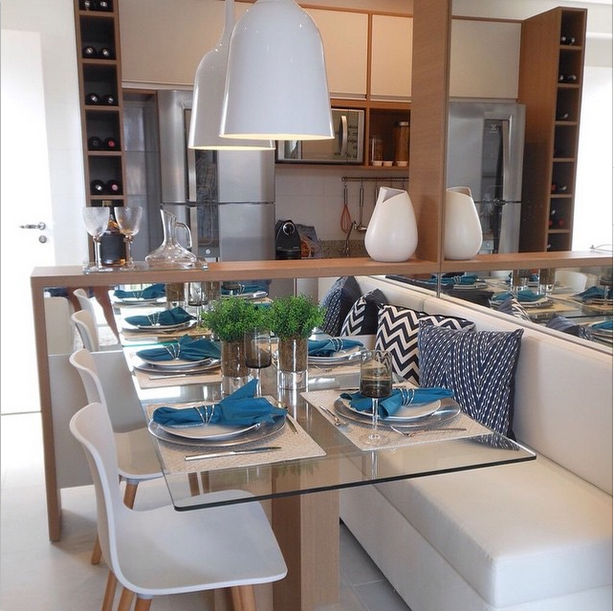
Kitchen tables with integrated benches: A growing trend is the use of benches integrated into the kitchen table. This eliminates the need for separate chairs, saves space and provides a more cohesive, integrated look. Benches can be upholstered for comfort or have wooden seats for a more rustic look.
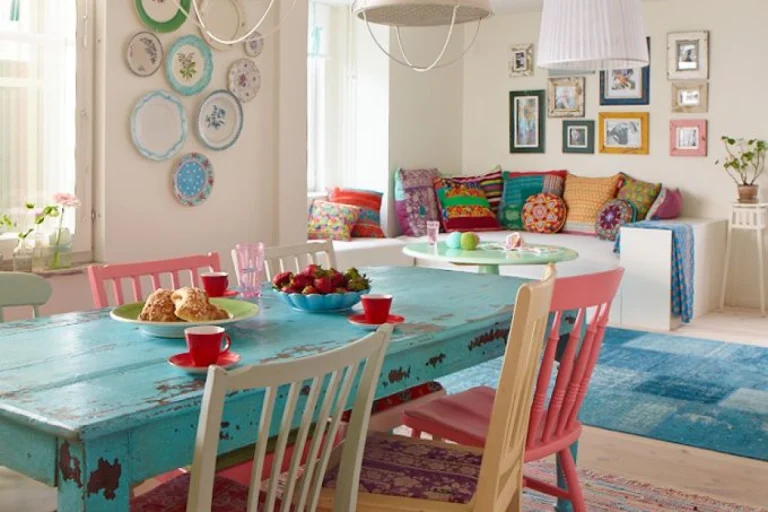
Colorful kitchen tables: While kitchen tables in neutral tones are still popular, colorful options are gaining prominence. Tables with vibrant tones, such as blue, green, yellow or even pastel tones, add personality and liveliness to the kitchen, making it more cheerful and inviting.
Best Practices For Choosing a Kitchen Table
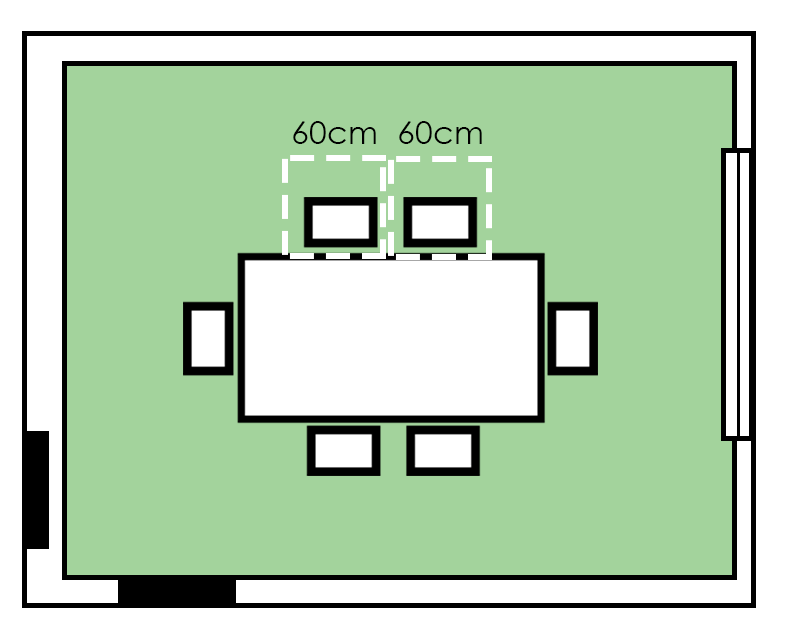
Measurements and available space: First of all, measure the space where the table will be placed. Consider the available area to ensure the table fits properly without compromising circulation in the kitchen. Also consider the space needed for the chairs, leaving enough space for people to sit and stand up comfortably.
Size and Shape: In addition to measuring the available space, consider how many people will typically use the table. Consider whether you need a small table to seat two people or a larger table to host more guests. The shape of the table is also important, and can be rectangular, round, square or oval. Think about your personal preferences and lifestyle needs.
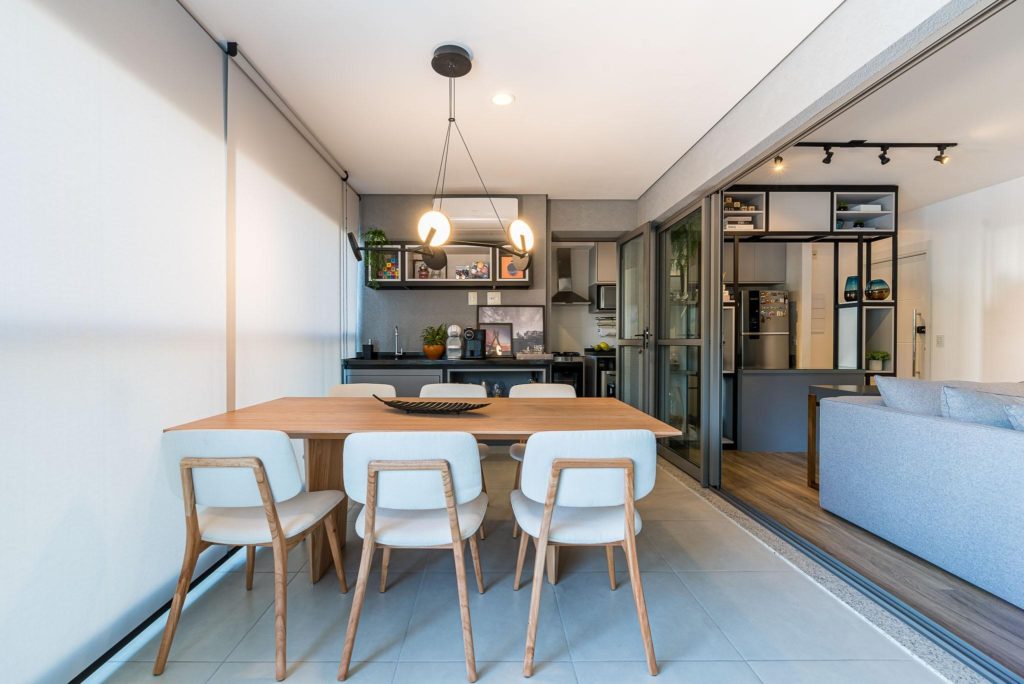
Style and design: Think about your kitchen decor style and choose a table that harmonizes with the environment. Consider the table’s material, color, and design to ensure it complements the rest of your decor. If you have a modern kitchen, a table with clean lines and contemporary materials may be suitable. For a rustic kitchen, a wooden table with a more natural finish can be an interesting choice.
Multifunctional Kitchen Table
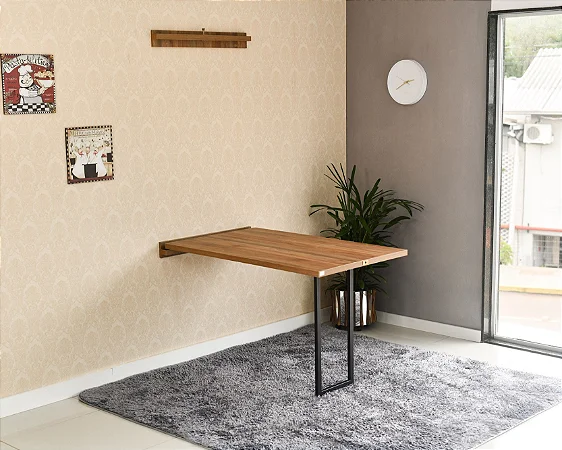
Folding table: A folding table is a smart solution for kitchens with limited space. It can be folded away when not in use, freeing up space in the kitchen. When needed, simply unfold to create an additional dining area or work surface.
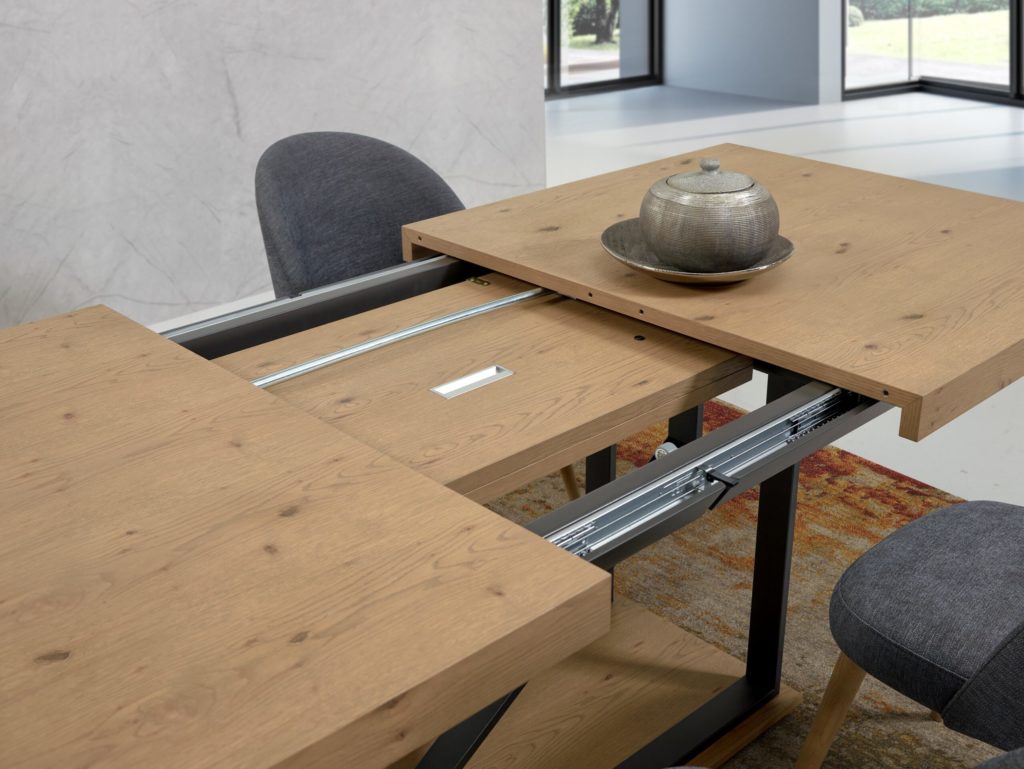
Extendable table top: An extendable table top allows you to adjust the size of the table as needed. It can be extended to accommodate more people during family meals or gatherings with friends. When not in use, it can be folded down to save space.
Table with built-in storage: Some kitchen tables have built-in storage features, such as drawers, shelves or alcoves. This provides extra space for storing kitchen utensils, towels, napkins and other items, keeping them accessible and organized.